Genetic interactions of hypomorphic mutations in the m7G cap-binding pocket of yeast nuclear cap binding complex: An essential role for Cbc2 in meiosis via splicing of MER3 pre-mRNA
- 1Molecular Biology Program, Sloan-Kettering Institute, New York, New York 10065, USA
- 2Department of Microbiology and Immunology, Weill Cornell Medical College, New York, New York 10065, USA
Abstract
Nuclear cap binding protein complex (CBC) is a heterodimer of a small subunit (Cbc2 in yeast) that binds the m7G cap and a large subunit (Sto1 in yeast) that interacts with karyopherins. In order to probe the role of cap recognition in yeast CBC function, we introduced alanine mutations (Y24A, F91A, D120A, D122A, R129A, and R133A) and N-terminal deletions (NΔ21 and NΔ42) in the cap-binding pocket of Cbc2. These lesions had no effect on vegetative growth, but they ameliorated the cold-sensitivity of tgs1Δ cells that lack trimethylguanosine caps (a phenotype attributed to ectopic association of CBC with the m7G cap of the normally TMG-capped U1 snRNA), thereby attesting to their impact on cap binding in vivo. Further studies of the Cbc2-Y24A variant revealed synthetic lethality or sickness with null mutations of proteins involved in early steps of spliceosome assembly (Nam8, Mud1, Swt21, Mud2, Ist3, and Brr1) and with otherwise benign mutations of Msl5, the essential branchpoint binding protein. Whereas the effects of weakening CBC–cap interactions are buffered by other actors in the splicing pathway during mitotic growth, the NΔ42 allele causes a severe impediment to yeast sporulation and meiosis. RNA analysis revealed a selective defect in the splicing of MER3 and SAE3 transcripts in cbc2-NΔ42 diploids during attempted sporulation. An intronless MER3 cDNA fully restored sporulation and spore viability in the cbc2-NΔ42 strain, signifying that MER3 splicing is a limiting transaction. These studies reveal a new level of splicing control during meiosis that is governed by nuclear CBC.
Keywords
INTRODUCTION
The m7G cap structure is a signature feature of RNA polymerase II transcripts. The cap is formed by three enzymatic reactions that occur shortly after the 5′-triphosphate end of the nascent RNA is extruded from the polymerase elongation complex. The m7G cap can exert a positive influence on downstream mRNA transactions such as splicing, polyadenylation, and nuclear export, and it is a decisive factor in translation initiation and mRNA stability (Topisirovic et al. 2011). Trimethylguanosine (TMG) cap structures are characteristic of the small nuclear (sn) RNAs that program mRNA splicing (U1, U2, U4, U5). TMG is formed post-transcriptionally by the enzyme Tgs1, which catalyzes two successive methyl additions to the N2 atom of the m7G cap (Mouaikel et al. 2002; Hausmann and Shuman 2005). Whereas m7G caps are essential for the viability of eukaryal cells, TMG caps are not (Mouaikel et al. 2002; Hausmann et al. 2007).
The effector functions of the m7G cap are mediated by two dedicated cap binding proteins (Topisirovic et al. 2011). eIF4E is a predominantly cytoplasmic translation initiation factor that targets the 40S ribosomal subunit to the 5′ mRNA end. Most eukaryal translation is eIF4E-dependent, and the CDC33 gene encoding Saccharomyces cerevisiae eIF4E is essential for viability. A nuclear cap binding protein complex (CBC) was identified initially in human cells and shown to play a role in pre-mRNA splicing and U snRNA export (Izaurralde et al. 1994, 1995; Lewis et al. 1996). Metazoan CBC is a heterodimer of CBP80 and CBP20 subunits. The homologous yeast CBC subunits are Sto1 (861 aa) and Cbc2 (208 aa). CBC engages the m7G caps of nascent RNA polymerase II transcripts, remains bound to them during cotranscriptional and post-transcriptional nuclear RNA processing, and then facilitates mRNA and snRNA export to the cytoplasm (Visa et al. 1996; Görnemann et al. 2005). Mammalian CBC bound to freshly exported mRNA can drive a pioneer round of translation before exchanging with eIF4E (Maquat et al. 2010).
Crystal structures of the CBP80/CBP20 heterodimer bound to cap analogs provide key insights to CBC function (Calero et al. 2002; Mazza et al. 2002). The cap-binding pocket resides wholly within the CBP20 subunit, which adopts a classical mixed α/β RRM fold. CBP80 (which has an all-α-helical tertiary structure) makes no contact with the cap, yet is required for cap binding by CBP20 because it interacts with the N-terminal peptide segment of CBP20 and stabilizes an active conformation of the cap-binding pocket. There are multiple atomic contacts between CBP20 amino acid side chains and the m7G nucleoside, the triphosphate bridge, and 5′-terminal nucleobase of the RNA (Fig. 1). A key determinant of cap binding is the π-cation stack in which the positively charged m7G base is sandwiched between two tyrosines (Tyr20 and Ty43 in human CBP20, corresponding to Tyr24 and Tyr49 in yeast Cbc2). Alanine substitutions of the proximal and distal tyrosines of CBP20 elicited 30-fold and 100-fold decrements in the affinity of CBC for m7G-capped RNA (Mazza et al. 2002). In contrast, alanine mutation of the CBP20 tyrosine that stacks under the 5′ RNA nucleobase (the equivalent residue being a leucine in yeast Cbc2) did not affect the affinity of CBC for m7G-capped RNA (Mazza et al. 2002).
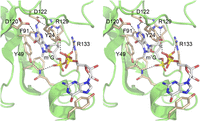
The cap-binding pocket of CBC. Stereo view of the CBP20 subunit of the human CBC (from pdb 1H2T) highlighting the π-cation stack of the m7G cap nucleoside sandwiched between two conserved tyrosines and the hydrogen bonding contacts between conserved amino acid side chains and the m7G base, the cap ribose, and the bridging phosphates of the cap dinucleotide. The amino acids are labeled in the figure according to their residue numbers in the homologous Cbc2 subunit of yeast CBC.
Despite the imputed centrality of CBC in mRNA and snRNA biogenesis, the genetics of CBC function are relatively uncharted. Yeast sto1Δ and cbc2Δ mutants are viable, but they grow slowly and display conditional phenotypes. Arabidopsis plants harboring T-DNA insertions that disrupt CBP80 or CBP20 are also viable, but they display reduced stature, serrated leaves, abscissic acid hypersensitivity, and enhanced drought tolerance (Hugouvieux et al. 2001; Papp et al. 2004). CBC functions in vivo have been inferred by characterizing RNA transactions in sto1Δ or cbc2Δ yeast strains (Colot et al. 1996; Fortes et al. 1999; Görnemann et al. 2005; Hossain et al. 2009) and in cbp80 or cbp20 mutant plants (Laubinger et al. 2008; Raczynska et al. 2010), but it is not clear whether the observed aberrations directly reflect the contributions of cap binding by CBC.
Here, we addressed this issue by surveying the effects of structure-guided mutations in the cap-binding pocket of yeast Cbc2. Subtracting many of the Cbc2 amino acids that contact the m7G cap has no apparent impact per se on yeast growth, which suggests that (1) CBC's activities in vivo may not be limited to cap-dependent events, and/or (2) the contributions of high-affinity cap binding by CBC to RNA transactions may be buffered by other yeast proteins. We explored the latter scenario by gauging the genetic interactions of a hypomorphic cbc2-Y24A allele (that has no growth phenotype per se) with null alleles of otherwise inessential yeast proteins implicated in pre-mRNA splicing, and with otherwise benign mutations of the essential splicing factor Msl5. Our results highlight connections between yeast Cbc2, the U1 snRNP, and the branchpoint binding protein that fortify inferences about the role of CBC–cap interactions in spliceosome assembly.
We also report that a hypomorphic cbc2-NΔ42 allele, which has no apparent effect on vegetative growth, impedes yeast sporulation and mimics the molecular lesion underlying the meiotically defective sae1-1 mutant (McKee and Kleckner 1997). By surveying the splicing of meiotic pre-mRNAs in cbc2-NΔ42 diploids undergoing attempted sporulation, we pinpointed the MER3 and SAE3 transcripts as being dependent on wild-type Cbc2 for efficient splicing. Genetic bypass of the cbc2-NΔ42 sporulation defect by either MER3 cDNA expression or the installation of a consensus 5′ splice site in the MER3 intron illuminates a new role for nuclear CBC as a governor of gene-specific pre-mRNA splicing during meiotic development.
RESULTS
Structure-guided mutations in the cap-binding pocket of yeast Cbc2
An alignment of the primary structures of yeast Cbc2 and the 156-aa human CBP20 homolog highlights 101 positions of amino acid side chain identity/similarity (Supplemental Fig. S1). Here, six of the conserved side chains in Cbc2 that comprise the m7Gppp binding site in the crystal structure of human CBC (Fig. 1) were mutated to alanine. These were as follows: Tyr24, which stacks on the m7G nucleobase and engages in hydrogen bonds with the β-phosphate of m7Gppp and the ribose 2′OH; Asp120, which accepts a hydrogen-bond from the m7G N1 atom; Asp122, which accepts a hydrogen-bond from the m7G N2 atom; Arg129, which donates hydrogen bonds from its Nɛ and NH2 atoms to the cap ribose O3′ and O2′ atoms, respectively (and which also makes a bidentate salt bridge to Asp122); Arg133, which engages the β-phosphate of m7Gppp; and Phe91, which is adjacent to the cap ribose. The alanine mutations were introduced into a plasmid-borne yeast CBC2 gene under the control of its native promoter and then tested for activity in vivo in a cbc2Δ yeast strain, in parallel with a wild-type CBC2 plasmid and an empty CEN vector. The cbc2Δ cells grew well on YPD agar at 34°C but were slow growing at 25°C, 30°C, and 37°C, as gauged by colony size. cbc2Δ cells failed to grow at 18°C and 20°C (Fig. 2A,B). Growth was restored at all temperatures after transformation of cbc2Δ with the wild-type CBC2 plasmid. Each of the alanine mutants also supported growth of cbc2Δ cells at all temperatures tested (Fig. 2A,B).
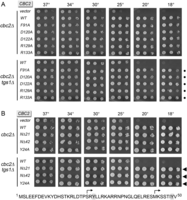
Effects of mutating the Cbc2 cap-binding pocket on yeast growth. (A) The phenotypes of cbc2Δ cells or cbc2Δ tgs1Δ cells harboring CEN LEU2 plasmids with wild-type CBC2 or the indicated mutant alleles were compared by spotting 3-μL aliquots of 10-fold serial dilutions of cells (from liquid cultures grown to mid-log phase at 34°C and adjusted to A600 of 0.1) to SD−Leu agar and incubating the plates at the indicated temperatures. Suppression of the tgs1Δ cs phenotype is denoted by ● symbols at right. (B) The growth phenotypes of cbc2Δ and cbc2Δ tgs1Δ cells bearing LEU2 plasmids with the indicated genes were assessed as described in panel A. Suppression of the tgs1Δ cs phenotype is denoted by ◀ symbols at right. The N-terminal amino acid sequence of Cbc2 is shown at the bottom, with the two m7G-stacking tyrosines shaded gray and the margins of the N-terminal truncation mutants indicated by arrows.
In light of the structural evidence that the conformation of the N-terminal peptide segment of CBP20 is critical for formation of a proper cap binding site in human CBC (Calero et al. 2002; Mazza et al. 2002), we also tested the effects of deleting 21 or 42 amino acids from the N terminus of yeast Cbc2 (Fig. 2B). We found that the NΔ21 and NΔ42 alleles complemented the growth defects of cbc2Δ cells (Fig. 2B). These results suggest that an intact cap-binding pocket in yeast CBC is not required for apparently normal vegetative growth.
The benign effects of the above alanine and deletion mutations contrast with the overt growth defects of cbc2Δ cells (Fig. 2), which are similar to the growth defects of sto1Δ cells that lack the large subunit of yeast CBC (Fortes et al. 1999). An unexpected observation that a sto1Δ cbc2Δ double mutant grew better than either single mutant prompted the suggestion that production of either CBC subunit alone had a dominant negative effect on cell growth (Fortes et al. 1999). If that is the case, it complicates even further the issue of whether CBC subunits have cap-dependent and cap-independent functions. Thus, we revisited the issue, by mating STO1 cbc2Δ and sto1Δ CBC2 haploids, sporulating the resulting heterozygous diploids, and dissecting the tetrads to score growth and genotype the haploid progeny. We obtained the expected outcomes of a two-gene cross, which yielded parental ditype (all four spores being slow-growing), nonparental ditype (two fast-growing wild-type progeny and two slow growing sto1Δ cbc2Δ progeny), and tetratype (one fast growing wild-type, two slow growing single mutants and one slow-growing double mutant) segregation patterns (Fig. 3A).
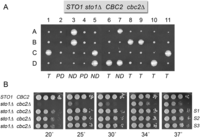
sto1Δ cbc2Δ double mutants give rise to spontaneous suppressors of slow growth. (A) Haploid progeny derived from tetrad dissection of a heterozygous diploid strain are shown. Spores from 11 tetrads were placed on YPD agar medium and incubated for 3 d at 30°C. The relevant genotype of the diploid is indicated at the top; A–D refers to colonies derived from sister spores; the segregation patterns of the markers for sto1Δ (hygR) and cbc2Δ (kanR) are indicated below each tetrad: (T) tetratype, (PD) parental ditype, (ND) nonparental ditype. (B) The growth of wild-type cells was compared to that of sto1Δ cbc2Δ cells either taken from a colony immediately after germination or after continuous growth of individual haploids at 30°C and isolation of faster growing derivatives S1, S2, and S3. Cultures were adjusted to A600 of 0.1 and aliquots (3 μL) of serial dilutions were spotted to YPD agar. Plates were photographed after 2 d of incubation at 30°C, 34°C, and 37°C, 3 d at 25°C, or 5 d at 20°C.
Freshly germinated sto1Δ cbc2Δ haploids cells were amplified briefly in liquid culture and then spotted in serial dilution on YPD agar in parallel with a wild-type sister strain: The double mutant was quite sick at 30°C, 34°C, and 37°C, as gauged by colony size, and did not grow at 20°C or 25°C (Fig. 3B). We noted that propagated cultures of sto1Δ cbc2Δ cells or sto1Δ cells plated on YPD agar yielded mixtures of small and large colonies. (This was not the case for cbc2Δ cells.) Whereas individually selected large colonies continued to yield homogeneously large colonies upon further propagation, the individually selected small colonies recapitulated the small/large dimorphism upon further growth. Three genetically independent large colony sto1Δ cbc2Δ derivatives (S1, S2, and S3, obtained from cultures of initially slow-growing sto1Δ cbc2Δ haploid progeny from different tetrad dissections) were tested for growth on YPD agar and were found to grow as well as wild type at 34°C and to display improved growth at all other temperatures vis à vis sto1Δ cbc2Δ, although S1, S2, and S3 were moderately cold-sensitive at 20°C compared to wild type (Fig. 3B). Similarly enhanced growth was seen for “large colony” derivatives of sto1Δ (data not shown). These findings indicate that sto1Δ cbc2Δ cells and sto1Δ cells readily acquire spontaneous mutations that suppress their vegetative growth defects. We suspect that the “better-growing” properties of the sto1Δ cbc2Δ strain used previously are attributable to an acquired suppressor mutation, which might complicate the interpretation of phenotypes observed in sto1Δ cbc2Δ or sto1Δ strains as being directly reflective of CBC function. This concern appears not to apply to cbc2Δ or the cbc2 hypomorphs that we study presently.
Cbc2 cap binding site mutations suppress the cold-sensitivity of tgs1Δ cells
Tgs1, the enzyme that synthesizes TMG caps, is inessential for vegetative growth of S. cerevisiae (Mouaikel et al. 2002; Hausmann et al. 2008). tgs1Δ cells have no detectable TMG caps on their snRNAs, signifying that there is no Tgs1-independent route to form TMG caps. Despite the absence of TMG caps on their U1, U2, U4, and U5 snRNAs, tgs1Δ yeast cells display apparently normal steady state snRNA levels (Mouaikel et al. 2002) and no overt aberrations in the RNA or protein contents of their spliceosomal snRNPs, except for the acquisition of the nuclear CBC as a stoichiometric component of the U1 snRNP (Schwer et al. 2011). These findings indicated that the residual m7G cap of the U1 snRNP in tgs1Δ cells is accessible to, and occupied by, nuclear CBC.
tgs1Δ cells fail to grow at 18°C and 20°C (Fig. 2A,B). We reported recently that the biologically active cbc2-Y24A allele completely suppressed the cold-sensitive growth defect caused by tgs1Δ (Schwer et al. 2011). This is evinced by transforming a viable cbc2Δ tgs1Δ double mutant with a plasmid bearing either wild-type CBC2 or cbc2-Y24A. Whereas the CBC2 tgs1Δ strain was profoundly cold-sensitive, the cbc2-Y24A tgs1Δ strain grew as well as TGS1 cells at 18°C and 20°C (Fig. 2B and data not shown). We inferred that the cold-sensitive phenotype of tgs1Δ is not caused by the lack of TMG caps per se but rather by the ectopic association, at low temperatures, of nuclear CBC with the m7G cap of a normally TMG-capped U1 snRNA (Schwer et al. 2011). A corollary inference is that the capacity of otherwise benign Cbc2 mutations to suppress tgs1Δ cold-sensitivity can provide a genetic readout of diminished cap binding ability.
Thus, we transformed cbc2Δ tgs1Δ cells with the five other cbc2-Ala mutants (Fig. 2A) and the two N-terminal truncation mutants (Fig. 2B). In every case, growth at 18° and 20°C was restored. We surmise that the alanine substitutions for these cap binding side chains and the subtraction of the N-terminal 42-aa peptide (which includes the cap binding Tyr24 side chain) elicit genetically hypomorphic defects in cap binding by yeast CBC. To assess whether Cbc2 mutations affected the steady-state levels of Cbc2 in vivo, we performed Western blot analysis of whole-cell extracts of cbc2Δ and cbc2Δ tgs1Δ strains expressing TAP-tagged wild-type Cbc2, Cbc2-Ala, Cbc2-NΔ21, and Cbc2-NΔ42. The levels of immunoreactive Cbc2 were not diminished by the alanine mutations or the N-terminal deletions (Supplemental Fig. S2). The NΔ21 and NΔ42 polypeptides displayed expected incremental increases in electrophoretic mobility (Supplemental Fig. S2).
Cbc2-Y24A suppresses the requirement for Tgs1 in PCH2 pre-mRNA splicing
A network of mutational synergies between tgs1Δ and yeast pre-mRNA splicing factors suggests that TMG caps facilitate early steps in spliceosome assembly and that the effects of eliminating TMG caps on vegetative growth are buffered by other components of the splicing machinery (Hausmann et al. 2008; Chang et al. 2012). However, TMG caps are essential for yeast meiosis, where the absence of TMG caps in tgs1Δ cells causes a specific defect in the splicing of a subset of meiotic pre-mRNAs, including PCH2 and SAE3 (Qiu et al. 2011a,b). The Tgs1-dependence of the splicing of the PCH2 pre-mRNA was attributed to a nonconsensus branchpoint sequence in the PCH2 intron and an exceptionally long 5′ exon preceding the PCH2 intron. Indeed, Tgs1-dependent expression of a HIS3 reporter gene in vegetative cells could be achieved by inserting the PCH2 intron at a distal site in the HIS3 ORF (Qiu et al. 2011a,b). Here, we used the HIS3-[PCH2] reporter to query whether Tgs1-dependence might be circumvented by cbc2-Y24A. To do this experiment, we replaced the chromosomal CBC2 gene with cbc2-Y24A in TGS1 and tgs1Δ strains that carried the HIS3-[PCH2] cassette inserted at the chromosomal HIS3 locus. The HIS3-[PCH2] gene was functional in TGS1 CBC2 cells, as gauged by growth on agar medium lacking histidine, but not in tgs1Δ CBC2 cells (Fig. 4A). The instructive finding here was that HIS3-[PCH2] function was restored in tgs1Δ cbc2-Y24A cells (Fig. 4A). We infer that ectopic binding of CBC to the U1 snRNA cap in tgs1Δ cells is responsible (at least in part) for the Tgs1-dependence of PCH2 splicing. However, we found that cbc2-Y24A did not override the Tgs1 requirement for expression of a HIS3-[SAE3] reporter gene (data not shown).
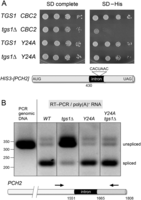
cbc2-Y24A suppresses the Tgs1-dependence of HIS3-[PCH2] expression and PCH2 meiotic splicing. (A) Serial dilutions of yeast cells harboring the chromosomal HIS3-[PCH2] reporter gene were spotted in parallel on synthetic drop-out (SD) medium containing histidine (complete) or lacking histidine (–His) and incubated for 2 d at 30°C. The genotypes of the cells are indicated on the left. The HIS3-[PCH2] reporter is depicted at the bottom. The HIS3 ORF is colored gray. The PCH2 intron is colored black, and the nonconsensus branchpoint sequence is shown. (B) RNAs isolated from wild-type, tgs1Δ, cbc2-Y24A, and cbc2-Y24A tgs1Δ diploid SKY cells sampled 8 h post-transfer to sporulation medium were reverse transcribed with an oligo(dT) primer, and the cDNAs were PCR-amplified with primers flanking the intron of the chromosomal PCH2 gene (depicted at the bottom). The PCR products were resolved by native agarose gel electrophoresis and visualized by staining with ethidium bromide (the negative image is shown). The left lane shows the product of PCR-amplification of genomic DNA with the PCH2 primers, which is the same size as the RT-PCR product derived from the intron-containing PCH2 pre-mRNA. The positions and sizes (bp) of linear duplex DNA markers are indicated on the left. The positions of the RT-PCR products of unspliced and spliced PCH2 transcripts are indicated on the right.
To extend the analysis to true meiotic splicing, we replaced the chromosomal CBC2 locus with cbc2-Y24A in yeast SKY cells that were either TGS1 or tgs1Δ. (SKY, a derivative of SK1, is a strain of choice for studies of meiosis in light of its high efficiency and synchrony of sporulation.) Total RNA isolated from diploid wild-type, tgs1Δ, cbc2-Y24A, and cbc2-Y24A tgs1Δ SKY cells 8 h after transfer to sporulation medium was used as a template for oligo(dT)-primed reverse transcription (RT), followed by PCR amplification of the cDNA with oligonucleotide primers corresponding to exon sequences flanking the PCH2 pre-mRNA intron (Fig. 4B). Agarose gel electrophoresis resolved the 214-bp DNA derived by RT-PCR amplification of the spliced PCH2 mRNA from the 327-bp DNA derived from the unspliced PCH2 transcript (Fig. 4B). As reported previously (Qiu et al. 2011b), PCH2 meiotic splicing was defective in tgs1Δ cells, and the unspliced precursor was the predominant species seen after RT-PCR (Fig. 4B). The key finding was that cbc2-Y24A (which did not by itself affect meiotic splicing of the PCH2 transcript) restored the wild-type pattern of efficient PCH2 splicing in tgs1Δ cells undergoing sporulation (Fig. 4B). In contrast, the defect in SAE3 pre-mRNA splicing in tgs1Δ cells undergoing meiosis was not reversed in cbc2-Y24A tgs1Δ cells (data not shown). Thus, not all effects of the loss of TMG caps on mRNA splicing can be ameliorated by weakening the Cbc2 cap binding site.
Synthetic genetic interactions of Cbc2-Y24A with pre-mRNA splicing factors
The benign effect of Cbc2 cap binding site mutations on vegetative growth raises the prospect that the impact of these lesions, on splicing, for example, might be buffered by other actors in the splicing pathway. If so, then screening null alleles of vegetatively optional splicing factors for synthetic lethality or sickness with the hypomorphic allele cbc2-Y24A might yield genetic insights more narrowly focused on cap-dependent functions of CBC than was the original screen for synthetic interactors with a sto1Δ cbc2Δ double mutant (Fortes et al. 1999).
We focused first on the U1 snRNP subunit Nam8 and the spliceosome assembly factor Mud2, mutations of which synergize with sto1Δ cbc2Δ (Fortes et al. 1999). nam8Δ and mud2Δ null mutations have no overt impact on yeast vegetative growth but are synthetically lethal with tgs1Δ (Hausmann et al. 2008). Here, we constructed haploid yeast strains amenable to tests of synthetic lethality by either plasmid shuffle or mating. For example, a haploid strain with chromosomal cbc2-Y24A and mud2Δ loci bearing a MUD2 gene on a CEN URA3 plasmid was unable to form colonies at 30°C or 37°C on agar medium containing FOA (5-fluoroorotic acid), a drug that selects against the CEN URA3 MUD2 plasmid (Fig. 5A). Transformation of the cbc2-Y24A mud2Δ cells with CEN LEU2 plasmids bearing either MUD2 or CBC2 enabled colony formation on FOA agar (Fig. 5A). These results signify that the otherwise benign Cbc2-Y24A mutation is lethal in the absence of Mud2.
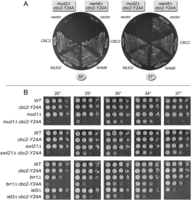
cbc2-Y24A is synthetic lethal with mud2Δ and nam8Δ and synthetic sick with mud1Δ, swt21Δ, brr1Δ, and ist3Δ. (A) Yeast cbc2-Y24A mud2Δ p360-MUD2 (URA3 CEN MUD2) or cbc2-Y24A nam8Δ p360-NAM8 (URA3 CEN NAM8) cells were transformed with CEN LEU2 plasmids harboring wild-type CBC2, MUD2, or NAM8 as specified. Leu+ transformants were selected at 30°C and then streaked to agar medium containing 5-FOA (0.75 mg/mL). Cells transformed with the empty LEU2 vector served as a negative control. The plates were photographed after 3 d of incubation at 30°C or 37°C. (B) Aliquots (3 μL) of serial 10-fold dilutions of haploid yeast strains of the specified genotypes were spotted on YPD agar medium. The plates were photographed after incubation for 2 d (30°C, 34°C, and 37°C), 3 d (25°C), or 5 d (20°C) as specified.
A haploid cbc2-Y24A nam8Δ strain harboring a CEN URA3 NAM8 plasmid was unable to form FOA-resistant colonies at 30°C but did at 37°C (Fig. 5A). Growth of cbc2-Y24A nam8Δ cells on FOA agar at 30°C was rescued by prior transformation with CEN LEU2 plasmids bearing either NAM8 or CBC2 (Fig. 5A). Viable cbc2-Y24A nam8Δ cells selected on FOA at 37°C were then tested for growth on YPD agar; the double mutants grew slower than either single mutant at 37°C and did not grow at 30°C or 25°C (data not shown). Thus, the Cbc2-Y24A mutation is conditionally lethal in the absence of Nam8.
Mud1 is an inessential subunit of the yeast U1 snRNP. A mud1Δ null mutation has no vegetative growth phenotype, yet mud1Δ is synthetically lethal with mud2Δ and nam8Δ, and mud1Δ is synthetically sick with tgs1Δ (Abovich et al. 1994; Chang et al. 2010; Qiu et al. 2011a). Also, Fortes et al. (1999) identified MUD1 in their screen for mutational synergy with sto1Δ cbc2Δ. Here, we mated cbc2-Y24A MUD1 and CBC2 mud1Δ strains, sporulated the diploids, and dissected tetrads to recover cbc2-Y24A mud1Δ double mutants that germinated and grew at 30°C. We compared the growth of cbc2-Y24A mud1Δ cells on YPD agar to that of CBC2 MUD1, cbc2-Y24A MUD1, and CBC2 mud1Δ cells derived from the same cross. Whereas the single mutants grew as well as wild-type yeast at all temperatures tested, the cbc2-Y24A mud1Δ strain formed smaller colonies at 30°C and 34°C and failed to thrive at higher (37°C) or lower (20°C or 25°C) temperatures (Fig. 5B, top panel).
Swt21 is an inessential splicing factor that displays mutational synergies with Tgs1, the U1 snRNP subunit Prp40, and the CBC subunit Sto1 (Murphy et al. 2004; Hausmann et al. 2008; Hage et al. 2009). We mated cbc2-Y24A SWT21 and CBC2 swt21Δ strains, sporulated the diploids, and dissected tetrads to recover viable cbc2-Y24A swt21Δ double mutants that were synthetically sick (at 25°C to 37°C) and cold-sensitive (at 20°C) compared to the single mutants, which grew as well as wild-type cells at 20°C–37°C (Fig. 5B, middle panel).
We also detected a synthetic growth defect when cbc2-Y24A was combined with brr1Δ or ist3Δ (Fig. 5B, bottom panel). Brr1 is an inessential splicing factor associated with U snRNPs that facilitates snRNP manufacture at low growth temperatures (Noble and Guthrie 1996). Yeast brr1Δ cells grow normally at 30°C–37°C but are slow-growing at 20°C. In contrast, the brr1Δ cbc2-Y24A double mutant failed to grow at 20°C, was extremely sick at 25°C and 30°C, and grew slower than either single mutant at 37°C (Fig. 5B, bottom panel). Ist3 is an inessential component of the U2 snRNP. An ist3Δ mutant grows well at 20°C–30°C but has a strong ts growth defect at 37°C. The ist3Δ cbc2-Y24A double mutant was sick at 20°C–34°C and inviable at 37°C (Fig. 5B, bottom panel).
Similar matings of cbc2–Y24A were performed with deletion mutants of yeast splicing factors Lea1 (a subunit of the U2 snRNP), Isy1 (a component of the NineTeen Complex that activates the spliceosome for catalysis), Cwc21 (a protein associated with the NineTeen Complex), and Swm2 (“synthetic with Mud2”). Viable double mutants were recovered after sporulation in all four instances, and we observed no synthetic growth defects of these double mutants when growth was tested at 20°C–37°C in parallel with the respective single mutants (data not shown).
We also tested for synthetic interactions of Cbc2-Y24A with proteins involved in RNA transactions other than pre-mRNA splicing, i.e., Lsm1 (mRNA decay), Pat1 (mRNA decay), Srb2 (RNA polymerase II transcription), and Rpn4 (transcription). We found no synthetic growth defects of the lsm1Δ cbc2-Y24A, pat1Δ cbc2-Y24A, srb2Δ cbc2-Y24A, or rpn4Δ cbc2-Y24A strains when growth was tested at 20°C–37°C in parallel with the respective single mutants (data not shown). Taken together, these results fortify the inferences that early steps of pre-mRNA splicing are the principal biological pathway impacted by the cap binding activity of yeast nuclear CBC.
Synthetic genetic interactions of Cbc2-Y24A with the yeast branchpoint binding protein Msl5
Saccharomyces cerevisiae Msl5 (branchpoint binding protein) orchestrates spliceosome assembly by binding the intron branchpoint sequence 5′-UACUAAC and establishing cross intron-bridging interactions with other components of the splicing machinery (Abovich et al. 1994; Abovich and Rosbash 1997; Rain et al. 1998; Rutz and Seraphin 1999; Wang et al. 2008; Chang et al. 2012). Unlike the optional splicing factors discussed above, Msl5 (a 476-aa polypeptide) is essential for yeast vegetative growth. The central branchpoint RNA binding domain of Msl5—composed of KH and QUA2 modules—is flanked by N- and C-terminal domains that have imputed functions in protein-protein interactions. By gauging the ability of Msl5 mutants to complement msl5Δ, we recently reported that the Mud2-binding (aa 35–54) and putative Prp40-binding (PPxY100) elements of the Msl5 N-terminal domain are inessential, as are a C-terminal proline-rich domain (aa 382–476) and two zinc-binding CxxCxxxxHxxxxC motifs (aa 273–286 and 299–312) (Chang et al. 2012). A subset of conserved branchpoint RNA-binding amino acids in the central KH-QUA2 domain (aa 146–269) are essential, whereas other RNA-binding residues are dispensable. We used our collection of viable Msl5 mutants to illuminate synthetic genetic interactions between Msl5 and Mud2, Nam8, and Tgs1. The results suggested a network of important but functionally buffered protein–protein and protein–RNA interactions between the Mud2-Msl5 complex at the branchpoint and the U1 snRNP at the 5′ splice site (Chang et al. 2012). Here, we queried the genetic interactions of Cbc2-Y24A with our collection of Msl5 mutants that grow as well as wild-type MSL5 cells.
The instructive findings were that cbc2-Y24A was synthetically lethal with otherwise benign mutations of amino acids Asn163, Val165, Val195, Lys196, Thr265, Arg267, Lys252, and Arg253 in the Msl5 KH-QUA2 domain (Table 1). The NMR structure of human branchpoint binding protein (SF1) bound to an RNA (5′-AUACUAACAA) containing the consensus yeast branchpoint sequence 5′-UACUAAC (Liu et al. 2001) revealed an extensive network of contacts between many of these amino acids and the RNA nucleobases and sugars. The KH module engages the CUAACAA-3′ segment of the RNA (the branchpoint adenosine is in bold). The QUA2 module binds to the proximal 5′-AUACU segment of the RNA. The KH residue Asn163 contacts the cytosine base and Val165 contacts the adenine base preceding the branchpoint adenosine. These contacts are inessential for msl5Δ complementation by the N163A-V165A mutant but are essential for viability in the cbc2-Y24A background at all temperatures tested (Table 1). The contacts of Lys196 with the adenine base preceding the branchpoint adenosine and of Val195 with the branchpoint adenine are also inessential for msl5Δ complementation, but the combination of msl5-(V195A-K196A) and cbc2-Y24A resulted in smaller colonies at 37°C (scored as ++), microcolonies at 30°C (scored as +), and no growth at 25°C or 18°C (Table 1). The RNA interactions of QUA2 residues Thr265 (a van der Waals contact with the ApC phosphate) and Arg267 (with the ribose 2′-OH and 3′-phosphate of the 5′-terminal adenosine and with the N6, C5, and N7 atoms of the downstream adenine) are not essential for msl5Δ complementation. However, the msl5-(T265A-R267A) cbc2-Y24A double mutant was barely viable at 37°C (+ growth) and failed to grow at 30°C, 25°C, or 18°C (Table 1). The QUA2 double mutant K252A-R253A was unconditionally synthetic lethal with cbc2-Y24A. Whereas the single mutant K252R was also synthetic lethal with cbc2-Y24A at 18°C–30°C (and synthetic sick at 37°C), the single mutant R253K had no mutational synergy with cbc2-Y24A (Table 1). These results highlight how CBC-cap- and Msl5-branchpoint interactions make genetically overlapping contributions to spliceosome assembly in vivo.
Synthetic interactions of Cbc2-Y24A with Msl5
In contrast, there was no equivalent synthetic lethality of cbc2-Y24A with paired cysteine-to-alanine mutations in the putative zinc-binding residues of the two zinc-knuckle domains of yeast Msl5. The C273A-C276A and C299A-C302A mutations that disrupt the proximal and distal knuckles, respectively, had no effect on cell growth in the cbc2-Y24A background (scored as +++ in Table 1).
Otherwise benign incremental C-terminal deletions of Msl5 (1-458, 1-437, 1-425, and 1-401) elicited a gradient of worsening synthetic sickness in the cbc2-Y24A background, culminating in unconditional lethality in the case of the msl5-(1-312) allele when combined with cbc2-Y24A (Table 1). Whereas deleting 34 aa from the N terminus of Msl5 had no apparent impact on yeast growth in cbc2-Y24A, extending the N-terminal deletion to 54 aa results in cold-sensitive (at 18°C) and temperature-sensitive (at 37°C) synthetic phenotypes (Table 1). Further deletion of the Msl5 segment from aa 55–68 resulted in unconditional synthetic lethality with cbc2-Y24A (Table 1). Insofar as the Msl5-(55-476) and Msl5-(69-476) mutants should be unable to form a heterodimeric complex with Mud2 (Wang et al. 2008), the mutational synergies of Cbc2-Y24A with the Msl5 N-terminal deletions are consistent with the lethality of cbc2-Y24A in the mud2Δ background (Fig. 5). Combining deletions of the terminal segments 1–54 and 438–458 (neither of which, per se, affected the growth of cbc2-Y24A at 30°C) resulted in unconditional lethality in the cbc2-Y24A background (Table 1). Msl5 contains a 97PPxY100 motif recognized by WW domain proteins (Wiesner et al. 2002). Whereas a triple-alanine mutant msl5-(P97A-P98A-Y100A) fully complements msl5Δ, we find that this allele is unconditionally lethal in the cbc2-Y24A background (Table 1). In sum, these results reveal manifold genetic connections between CBC cap binding and the branchpoint binding protein that had not been appreciated previously.
Effects of Cbc2 cap binding site mutations on SUS1 pre-mRNA splicing
The growth defects of sto1Δ and cbc2Δ null mutants are caused, at least in part, by aberrant histone modification, specifically increased histone H2B ubiquitylation (Hossain et al. 2009). A contributing factor is that splicing of the SUS1 mRNA encoding a ubiquitin protease is reduced in sto1Δ and cbc2Δ cells. SUS1 is one of the few yeast genes that contain two introns (Fig. 6), and it is the splicing of the first intron (which has nonconsensus 5′ splice site and branchpoint sequences) that is selectively impaired in the absence of CBC (Hossain et al. 2009). Here, we examined the effects of Cbc2 cap binding site lesions Y24A and NΔ42 on the SUS1 mRNA splicing pattern. Total RNA was isolated from CBC2, cbc2Δ, cbc2-Y24A, and cbc2-NΔ42 cells grown in liquid culture at 30°C and used as a template for cDNA synthesis by reverse transcriptase primed by oligo(dT). The cDNA was then amplified by PCR with SUS1 gene-specific primers corresponding to the sequences of exon 1 and exon 3 (Fig. 6). As reported previously (Hossain et al. 2009), the SUS1 transcripts in wild-type CBC2 cells consist predominantly of mature mRNA and a minority intermediate species in which the second intron is excised but the first intron is not (Fig. 6). In cbc2Δ cells, there is little mature mRNA, and the singly spliced intermediate comprises the predominant species, along with a significant fraction of unspliced pre-mRNA (Fig. 6). The salient findings were that (1) cbc2-Y24A cells evinced a wild-type pattern of SUS1 splicing, and (2) cbc2-NΔ42 cells showed just a slight decrement in joining of the first and second exons (Fig. 6). These results underscore that mutations of the cap-binding pocket of Cbc2 exert hypomorphic effects on splicing that contrast with the more severe effects of ablating CBC.
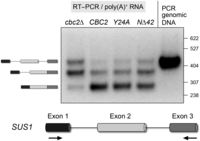
Effects of Cbc2 Y24A and NΔ42 mutations on SUS1 pre-mRNA splicing. RNAs isolated from cbc2Δ, CBC2, cbc2-Y24A, and cbc2-NΔ42 cells were reverse transcribed with an oligo(dT) primer, and the cDNAs were PCR-amplified with primers in the first and third exons of chromosomal SUS1 gene (depicted at the bottom). The PCR products were resolved by native agarose gel electrophoresis and visualized by staining with ethidium bromide. The right lane shows the product of PCR-amplification of genomic DNA with the SUS1 primers. The positions and sizes (bp) of linear duplex DNA markers are indicated on the right. The positions of the RT-PCR products of unspliced, partially spliced, and fully spliced SUS1 transcripts are indicated at left.
Because the SUS1 mRNA splicing defect is a straightforward molecular marker of the CBC null phenotype, it was of interest to gauge whether this defect was reversed in the sto1Δ cbc2Δ strains S1, S2, and S3 that displayed enhanced vegetative growth. Thus, we analyzed the SUS1 splicing patterns by RT-PCR amplification of SUS1 transcripts isolated from wild-type, sto1Δ, sto1Δ cbc2Δ, and the S1, S2, and S3 suppressor strains (Supplemental Fig. S3). The S1, S2, and S3 strains maintained a defective SUS1 splicing pattern whereby the partially spliced RNA retaining the proximal intron was the predominant species (Supplemental Fig. S3). Yet, the S1, S2, and S3 strains did form slightly higher levels of the fully spliced SUS1 transcript compared to that seen in the sto1Δ single mutant and the sto1Δ cbc2Δ double mutant, said levels still being much less than the mature SUS1 transcript seen in wild-type CBC2 cells (Supplemental Fig. S3). We surmise that the suppression of the CBC-null growth defect does not negate the CBC dependence of SUS1 splicing.
The Cbc2 N-terminal peptide is critical for yeast sporulation and meiosis
The yeast meiotic developmental program entails a shift in the processing patterns of specific meiotic pre-mRNAs from a vegetative “off” state, in which single introns are included, to a meiotic “on” state, in which the target introns are removed. The efficiency of meiotic intron removal is either regulated or governed by the actions of splicing factors or RNA modifying enzymes that are inessential for vegetative growth (e.g., Mer1, Nam8, Tgs1) (Engebrecht et al. 1991; Spingola and Ares 2000; Munding et al. 2010; Qiu et al. 2011a,b,c). The yeast sae1-1 mutation causes a severe sporulation defect in an otherwise wild-type background that is associated with a delay and decrement in meiotic recombination and a transient meiotic prophase arrest (McKee and Kleckner 1997). The wild-type SAE1 gene was isolated from a genomic library by complementation of the sae1-1 sporulation defect and then identified as CBC2 (McKee and Kleckner 1997). Whereas the nature of the sae1-1 mutation was not defined in the original study, our colleague Scott Keeney has since sequenced the sae1-1 locus and found that it contains a single mutation at nucleotide +3 in the translation start codon: from AUG to AUA. The predicted impact of this change would be to shift the translation start site to the next available in-frame AUG encoding Met43 (Fig. 2), assuming that the scanning ribosome elides an intervening out-of-frame AUG at nucleotides 32–34 of the ORF. Having shown above that the Cbc2-(43-208) protein (NΔ42) sustains normal vegetative growth of haploid cells, we evaluated the effects of the cbc2-NΔ42 allele on yeast sporulation, with the intent to create a “cleaner” version of sae1-1, uncomplicated by translational frame issues.
The sporulation experiments were performed in the SKY strain background. We monitored the appearance of four-spore asci as a function of time after transfer of a culture of yeast SKY diploid cells to sporulation medium. Wild-type SKY efficiently and synchronously formed asci between eight and 14 h and attained 86% and 90% sporulation efficiencies at 14 and 24 h, respectively (Fig. 7). In contrast, an isogenic cbc2-NΔ42 diploid was defective in executing the meiotic program, with delayed onset and a slowed rate of ascus formation, to extents of only 5% and 19% after 14 and 24 h, respectively (Fig. 7). (The sae1-1 mutant yielded 20% four-spore asci at 24 h [McKee and Kleckner 1997].) Spore viability was gauged by tetrad dissection (at the 24-h time point) and quantified as the percent of spores germinating to form macroscopic colonies after incubation for 3 d at 30°C on YPD agar medium. The spore viability values were 98% (310/316 viable spores) for the wild-type strain and 61% (413/676 viable spores) for the cbc2-NΔ42 strain. We conclude that an intact cap binding site in Cbc2 is needed for yeast sporulation, presumably because a key meiotic RNA transaction is facilitated by CBC interactions with RNA caps.
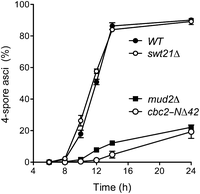
cbc2-NΔ42 diploids are defective for sporulation. Homozygous wild-type, swt21Δ, mud2Δ, and cbc2-NΔ42 SKY diploids were examined by light microscopy at the indicated times after transfer to sporulation medium. The percentages of the cell population comprising four-spore asci are plotted as a function of time.
We also tested the effects on sporulation of null mutants of two splicing factors—Mud2 and Swt21—that displayed mutational synergy with the hypomorphic Y24A mutant of Cbc2 during vegetative growth. The kinetics and extent of sporulation of the swt21Δ diploid were similar to that of the isogenic wild-type diploid (Fig. 7). In contrast, the mud2Δ diploid was defective for sporulation, yielding 12% and 22% asci at 14 and 24 h, respectively (Fig. 7).
Defective meiotic splicing of SAE3 and MER3 pre-mRNAs in cbc2-NΔ42 cells
We isolated total RNA from CBC2 and cbc2-NΔ42 SKY diploids 4 h after transfer to sporulation medium. cDNA was prepared from each RNA sample by reverse transcription primed by a mixture of antisense primers complementary to the 3′ exons of 14 meiotically spliced yeast mRNAs (Table 2). The cDNA preparations were then used as templates for gene-specific PCR amplification (Qiu et al. 2011a,b). The sense and antisense PCR primers corresponded to sequences flanking the introns so that the longer products of amplification of cDNA derived from unspliced pre-mRNAs could be easily resolved by native gel electrophoresis from the shorter products of amplification of cDNAs copied from spliced mRNA. The sense strand primer was 5′ 32P-labeled in each PCR reaction so that we could quantify the distributions of unspliced and spliced cDNAs for each gene of interest. The results are compiled in Table 2, wherein each datum for splicing efficiency—[spliced/(spliced + unspliced)] × 100—is the average of three independent sporulation experiments and RT-PCR analyses. We operationally defined a significant mutational effect on meiotic splicing as one that elicits a greater than or equal to twofold reduction in splicing efficiency compared to a wild-type control (Qiu et al. 2011a,b). SAE3 and MER3 were the only two transcripts that met our criterion for a meiotic splicing defect in the cbc2-NΔ42 strain. SAE3 splicing efficiency was 81% in CBC2 cells versus 20% in cbc2-NΔ42. MER3 splicing efficiency was 79% in the CBC2 cells versus 32% in cbc2-NΔ42 (Table 2). In contrast, the cbc2-NΔ42 mutation had no adverse effect on splicing of the AMA1, MER2, HOP2, REC114, REC102, DMC1, PCH2, SPO1, and SRC1 transcripts (Table 2) and elicited only modest decrements in the splicing of MEI4, SPO22, and MND1 that did not meet our criterion of significance (Table 2).
Meiotic mRNA splicing efficiency: Effects of cbc2-NΔ42
Rescue of the cbc2-NΔ42 sporulation defect by expression of intronless cDNAs
The RNA analysis in Table 2 suggested that SAE3 and MER3 comprise a novel meiotic splicing “regulon” governed by Cbc2's cap binding activity. As shown previously (Qiu et al. 2011c), the working definition of a “complete” meiotic splicing regulon is the ability to rescue the sporulation defect caused by mutation of the splicing “governor” by expressing intronless cDNA versions of the essential meiotic RNAs that are targeted by the governor (which, in this case, are SAE3 and MER3). Therefore, we introduced intronless cSAE3 and cMER3 (under the control of their native promoters) into the chromosomal leu2∷hisG locus of cbc2-NΔ42 SKY diploids and then assessed their sporulation efficiency. In parallel, we analyzed sporulation by CBC2 diploids (positive control), cbc2-NΔ42 diploids with no cDNAs (negative control), and CBC2 diploids coexpressing cSAE3 and cMER3. The ectopic cDNA genes had no negative impact on the kinetics of sporulation of CBC2 cells (Fig. 8A). The salient finding was that the rate and extent of sporulation of the cbc2-NΔ42 strain was restored fully to the wild-type pattern by coexpression of cSAE3 and cMER3 (Fig. 8A). The spore viability value after tetrad dissection was 95% for the cbc2-NΔ42 + cSAE3 + cMER3 strain (148/156 viable spores) compared to 61% for cbc2-NΔ42. These results suggest that defective splicing of specific meiotic transcripts underlies the failure of cbc2-NΔ42 cells to execute the meiotic program.
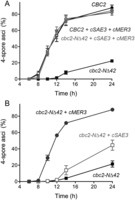
An ectopic MER3 cDNA rescues the cbc2-NΔ42 sporulation defect. (A) CBC2 and cbc2-NΔ42 diploids with or without the cSAE3 and cMER3 cDNAs integrated at the chromosomal leu2hisG locus and (B) cbc2-NΔ42 diploids and derivatives with either cSAE3 or cMER3 integrated at leu2hisG were examined by light microscopy at the indicated times after transfer to sporulation medium. The percentages of the cell population comprising four-spore asci are plotted as a function of time.
To further define the nature of the defect, we generated cbc2-NΔ42 diploids bearing only cMER3 or cSAE3 inserted at the chromosomal leu2hisG locus. The key finding was that expression of just the MER3 cDNA sufficed to restore both the wild-type pattern of sporulation kinetics in the cbc2-NΔ42 background (Fig. 8B) and a wild-type level of spore viability (92%; 218/236 viable spores). In contrast, cbc2-NΔ42 cells expressing just the SAE3 cDNA exhibited the same delay in the onset of sporulation seen in the parental cbc2-NΔ42 strain and a slower rate of accrual of four-spore tetrads than that seen for the CBC2 and cbc2-NΔ42 + cMER3 strains (Fig. 8B). Nonetheless, cSAE3 expression did enhance the rate of spore formation versus cbc2-NΔ42, such that the yield of four-spore asci at 24 h was 45% with cSAE3 versus 22% without (Fig. 8B). However, the spore viability of the cbc2-NΔ42 + cSAE3 strain was 60% (154/256 viable spores), i.e., the same as cbc2-NΔ42. Taken together, these experiments implicate MER3 splicing as a limiting transaction in cbc2-NΔ42 cells undergoing meiosis.
To evaluate whether the rescue of cbc2-NΔ42 meiosis by ectopic expression of cMER3 might simply reflect increased MER3 gene dosage, we replaced the endogenous intron-containing chromosomal MER3 locus of SK1 haploids with an intronless MER3 cDNA, mated them to yield cbc2-NΔ42 cMER3 diploids, and then analyzed their sporulation. The allelic replacement of MER3 by cMER3 fully restored wild-type sporulation kinetics (Fig. 9A), indicating that bypass of feeble MER3 splicing in the cbc2-NΔ42 background was responsible for the rescue of the meiotic defect.
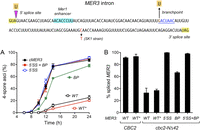
Nonconsensus MER3 intron features dictate the cbc2-NΔ42 sporulation defect. The nucleotide sequence of the MER3 intron of yeast strain W303 is shown, highlighting its nonconsensus 5′ splice site and branchpoint and the location of its Mer1 enhancer (shaded in cyan). The point mutations (5′SS and BP) that we introduced into the MER3 intron are indicated. A single C-to-T difference in the MER3 intron of the yeast SK1 strain (from which SKY is derived) is highlighted in red. (A) cbc2-NΔ42 diploids with the indicated chromosomal MER3 alleles were examined by light microscopy at the indicated times after transfer to sporulation medium. The percentages of the cell population comprising four-spore asci are plotted as a function of time. (B) RNAs isolated from the indicated diploid CBC2 or cbc2-NΔ42 SKY strains (with chromosomal MER3 alleles as specified) at 4 h post-transfer to sporulation medium were reverse transcribed with a MER3 antisense primer complementary to the 3′ exon. The cDNAs were then PCR-amplified with sense and antisense primers flanking the MER3 intron. The splicing efficiencies are plotted; each datum is the average of three separate experiments ±SEM.
Nonconsensus MER3 intron features dictate the cbc2-NΔ42 sporulation defect
MER3 splicing during yeast meiosis is known to be dependent on Mer1, a splicing enhancer protein that is produced only in meiotic cells (Engebrecht et al. 1991; Nakagawa and Ogawa 1999). MER3, together with MER2, AMA1, and SPO22, comprise a four-gene meiotic splicing regulon controlled by Mer1 and the vegetatively inessential U1 snRNP subunit Nam8 (Spingola and Ares 2000; Qiu et al. 2011a,c). Mer1 up-regulation of MER3 splicing relies on the binding of the Mer1 protein to an enhancer element, 5′-ACACCCUU, located in the MER3 intron next to the 5′ splice site (Fig. 9; Spingola and Ares 2000; Qiu et al. 2011a). The MER3 intron has a nonconsensus 5′ splice site that is the decisive factor in Nam8/Mer1-dependency (Qiu et al. 2011a); two other members of the regulon (MER2 and SPO22) also have nonconsensus 5′ splice sites that dictate their reliance on Mer1 and Nam8 (Nandabalan et al. 1993; Qiu et al. 2011a). In light of the present findings that MER3 is the only member of the Mer1/Nam8 meiotic splicing regulon that is acutely sensitive to the cbc2-NΔ42 mutation, we sought to identify the features of the MER3 transcript that dictate this sensitivity.
Inspection of the MER3 intron reveals two features not found in other Mer1/Nam8 targets: (1) a deviant 5′ splice site (GUAGUA) found in no other yeast intron; and (2) a rare nonconsensus branchpoint (GACUAAC) (Fig. 9). We initiated an analysis of the cbc2-NΔ42 sensitivity of MER3 splicing by installing consensus 5′ splice site (5′SS = GUAUGU) and branchpoint (BP = UACUAAC) signals in the MER3 gene, singly and in combination (Fig. 9). These intron mutations were constructed in the MER3 gene derived from yeast strain W303 (Qiu et al. 2011a). The W303 MER3 intron differs from that of the SK1 strain by a single nucleobase change (T in SK1 versus C in W303) at a site between the branchpoint and the 3′ splice site (Fig. 9). Consequently, we also constructed a new control MER3 SKY diploid strain (designated WT* in Fig. 9) in which the W303 version of the MER3 intron was introduced at the two chromosomal SK1 MER3 loci. The single-base intron strain variation had no significant effect on the defective sporulation pattern of the cbc2-NΔ42 strain (Fig. 9A). As expected, the viability of the cbc2-NΔ42 MER3-WT* spores was compromised (48%; 30/80 viable spores).
The instructive finding was that introducing a perfect GUAUGU 5′ splice site (via a single U insertion, as shown in Fig. 9) restored wild-type sporulation kinetics in the cbc2-NΔ42 strain (Fig. 9A) as well as spore viability (94%; 75/80 viable spores). The consensus BP change elicited a partial restoration of the sporulation pattern, albeit with a residual kinetic lag in the appearance of four-spore asci (Fig. 9A). Nonetheless, the viability of the spores derived from the cbc2-NΔ42 MER3-BP strain was 94% (75/80 viable spores). The effects of combining the MER3 5′SS and BP changes were virtually identical to those seen for the single 5′SS change (Fig. 9A). These results signify that the aberrant MER3 5′ splice site and branchpoint are independent determinants of the sensitivity of MER3 splicing to cbc2-NΔ42, with the 5′ splice site exerting an apparently greater influence in this regard.
To relate sporulation with MER3 splicing, we performed RT-PCR analysis of the MER3 transcripts in cells isolated 4 h after transfer to sporulation medium. As expected, control CBC2 strains displayed high efficiencies of splicing of the WT and WT* MER3 transcripts (93%), whereas splicing was inefficient (33%) in cbc2-NΔ42 cells (Fig. 9B). Installing a consensus 5′ splice site increased MER3 splicing in cbc2-NΔ42 cells to 99%. The consensus BP change elicited a lesser increase in MER3 splicing, to 66% (Fig. 9B). Thus, the sporulation phenotype of cbc2-NΔ42 cells correlates with the efficiency of MER3 splicing.
DISCUSSION
The present genetic analysis of Cbc2 highlights phenotypic distinctions between null mutations and lesions of the cap-binding pocket of yeast CBC. Whereas cbc2Δ, sto1Δ, and sto1Δ cbc2Δ strains have similar vegetative growth defects, the latter two strains readily elaborate spontaneous suppressors. Although we have not determined the nature of the suppressor mutations, prior studies have documented that the sto1Δ growth defect can be overcome by directed mutations that block histone H2B ubiquitylation (Hossain et al. 2009). cbc2Δ mutants appear (qualitatively) less prone to acquire spontaneous growth-restoring suppressors, which simplifies our comparison of the null phenotypes to those elicited by structure-guided mutations of the cap binding site.
A consistent finding was that alanine mutations and N-terminal deletions predicted to weaken the Cbc2-cap interaction (according to the structures of human CBC-cap complexes and available functional studies of cap binding by human CBC mutants) (Calero et al. 2002; Mazza et al. 2002; Worch et al. 2009) had no impact on vegetative growth. The genetic behavior of these alleles with respect to suppression of the tgs1Δ cold-sensitivity fortifies the inference that these are hypomorphs that restore growth of tgs1Δ at low temperatures because they ameliorate the ectopic binding of CBC to the U1 snRNA m7G cap. The phenotypes of the cap binding hypomorphs of Cbc2 are distinct from those accompanying mutations that are predicted to abolish cap binding, i.e., Y24A-Y49A, which eliminates both of the conserved tyrosines that form the π-cation sandwich around the m7G nucleobase (Fig. 1). To wit, cbc2-Y24A-Y49A cells have a profound cold-sensitive growth defect at 20°C, 25°C, and 30°C (Supplemental Fig. S4A) similar to cbc2Δ (Fig. 2), and the cbc2-Y24A-Y49A allele does not suppress tgs1Δ cold-sensitivity (Supplemental Fig. S4A), notwithstanding that the steady-state levels of Cbc2-Y24A-Y49A are similar to wild-type Cbc2 (Supplemental Fig. S4B). A plausible conclusion from these findings is that budding yeast tolerates a decrement in cap binding by CBC but is sensitive to elimination of cap binding function.
The synthetic genetic interactions of cbc2-Y24A with nam8Δ, mud1Δ, swt21Δ, mud2Δ, ist3Δ, and brr1Δ and with multiple viable msl5 alleles make clear that the decrement in cap binding by CBC is buffered by yeast proteins that act during the early steps of spliceosome assembly, entailing recruitment of U1 snRNP to the 5′ splice site and the Mud2/Msl5 complex to the intron branchpoint, with the establishment of cross-intron bridging contacts between them (Abovich et al. 1994; Abovich and Rosbash 1997; Rain et al. 1998; Rutz and Seraphin 1999; Wang et al. 2008; Chang et al. 2012). The genetics of this cap binding hypomorph are consistent with, and lend further support to, the imputed role of CBC binding to the pre-mRNA cap in stabilizing the U1 snRNP at the 5′ splice site (Colot et al. 1996; Lewis et al. 1996; Görnemann et al. 2005; Hage et al. 2009). In an otherwise wild-type background, a weakened cap binding site in CBC seems to support adequate levels of splicing of the many intron-containing pre-mRNAs needed for vegetative growth. This is in keeping with our findings that the kinetics and efficiency of splicing of yeast ACT1 and RP51A pre-mRNAs in a yeast in vitro system are unaffected by the absence of an m7G cap on the pre-mRNA and the depletion of the yeast capping enzyme Ceg1 (Schwer and Shuman 1996). It is likely that the m7G mRNA cap and its engagement by CBC are important for splicing a subpopulation of yeast intron-containing transcripts. SUS1 is a two-intron-containing yeast transcript that relies on CBC for splicing of its noncanonical proximal intron (Fig. 6; Hossain et al. 2009), but we find here that mutations of the Cbc2 cap-binding pocket do not recapitulate the strong SUS1 splicing defect seen in cbc2Δ cells.
The finding that a deletion of the N-terminal 42-aa peptide of Cbc2 significantly compromises yeast meiosis and sporulation (while having no impact on vegetative growth) confirms and extends the studies of sae1-1 (McKee and Kleckner 1997). Our analysis shows that splicing of the MER3 and SAE3 meiotic pre-mRNAs is impaired by cbc2-NΔ42 mutation, implying that processing of these transcripts during meiosis is especially dependent on the binding of CBC to the pre-mRNA cap. Although MER3 and SAE3 splicing are affected to similar degrees by cbc2-NΔ42, the cDNA rescue experiments revealed that MER3 is the biologically vulnerable transcript. The meiotic defect of cbc2-NΔ42 can be fully overcome by expression of an intronless MER3 cDNA but not by an intronless SAE3 cDNA. The sensitivity of sporulation and of MER3 splicing to cbc2-NΔ42 is conferred by nonconsensus intronic 5′ splice site and branchpoint sequences, with the unusual 5′ splice site playing a larger role, as surmised from the degree to which the sporulation/splicing defects were rectified by installing a consensus splicing signal. The effects of cbc2-NΔ42 on meiotic MER3 splicing fortify the inferences from the synthetic genetic interactions in vegetative cells that CBC acts during the early spliceosome assembly and reveal the gene-specific nature of the requirement for full cap binding activity by CBC during splicing.
Meiosis-specific pre-mRNA splicing in budding yeast embraces multiple pre-mRNA targets grouped into regulons defined by their genetic requirements for vegetatively optional splicing factors (e.g., splicing enhancer Mer1 and the U1 snRNP subunit Nam8) or snRNA modifications (trimethylguanosine caps synthesized by Tgs1). The present identification of MER3 and SAE3 as constituents of a meiotic splicing regulon governed by Cbc2 adds a new dimension to the picture (Supplemental Fig. S5), especially the overlap of the pre-mRNA clients of the various splicing factors. For example, MER3 belongs to two different splicing regulons: Mer1/Nam8 and Cbc2. SAE3 also belongs to two regulons: Tgs1 and Cbc2. Our findings here that yeast sporulation is defective in the absence of splicing factor Mud2 (which has no effect, per se, on vegetative growth) hints at the existence of yet another meiotic regulon. Collectively, these results highlight an untapped reservoir of genetic connections between pre-mRNA splicing and yeast meiosis.
MATERIALS AND METHODS
CBC knockout strains
To obtain sto1Δ cbc2Δ cells, we first generated a sto1Δ haploid strain in which the STO1 open reading frame between positions +1 and +2525 was replaced with the hygMX cassette (Goldstein and McCusker 1999). Correct targeting of the STO1 locus was confirmed by diagnostic Southern blotting. Yeast sto1Δ cells (α his3Δ1 leu2Δ0 met15Δ0 ura3Δ0 sto1ΔhygMX) were mated with cbc2Δ cells (a his3Δ1 leu2Δ0 met15Δ0 ura3Δ0 cbc2ΔkanMX) (Chang et al. 2010) to yield heterozygous diploids STO1 sto1Δ CBC2 cbc2Δ that were resistant to G418 and hygromycin. The diploids were sporulated, tetrads were dissected, and the segregation pattern of the marker genes hygMX and kanMX was determined by replica plating on drug-containing medium.
Cbc2 mutants and tests of their function
Plasmid pRS415-CBC2-TAP (CEN LEU2) expresses a Cbc2-TAP fusion protein under the transcriptional control of the native CBC2 promoter (Schwer et al. 2011). Single-alanine mutations Y24A, F91A, D120A, D122A, R129A, and R133A, double alanine mutation Y24A-Y49A, and N-terminal truncations NΔ21 and NΔ42 were introduced into Cbc2-TAP by PCR amplification of the ORF with mutagenic primers. The mutated DNA fragments were digested with BamHI and XmaI and inserted into pRS415-CBC2-TAP in lieu of the wild-type CBC2-TAP gene. The inserts in each of the pRS415-based plasmids were sequenced completely to confirm that no unwanted coding changes were acquired during amplification and cloning. To assay the function of wild-type and mutated CBC2 alleles, isogenic cbc2Δ and cbc2Δ tgs1Δ cells (Chang et al. 2010) were transfected with the empty CEN LEU2 vector (pRS415) or pRS415-CBC2-TAP plasmids. Individual Leu+ transformants were selected at 34°C and then grown in liquid culture in SD–Leu medium at 34°C. The cultures were adjusted to A600 of 0.1 and aliquots (3 μL) of serial 10-fold dilutions were spotted on SD–Leu agar. The plates were incubated at 18°C, 20°C, 25°C, 30°C, 34°C, and 37°C.
Allelic replacements at the chromosomal CBC2 locus
Targeting cassettes for replacement of the chromosomal CBC2 locus by wild-type CBC2-TAP–hygMX, cbc2-Y24A-TAP–hygMX and cbc2-Y24A-Y49A-TAP–hygMX were generated by inserting hygMX between the stop codon of CBC2-TAP and a segment of genomic DNA 3′ from the CBC2 ORF within the respective pRS415-CBC2-TAP plasmids. DNA fragments encompassing (1) a 550-bp segment homologous to genomic CBC2 sequences upstream of the start codon, (2) the wild-type or mutated CBC2-TAP ORF, and (3) the hygromycin-resistance gene and a 390-bp segment of DNA homologous to CBC2 sequences downstream from the stop codon were excised and transfected into wild-type and tgs1Δ yeast cells (Hausmann et al. 2008). HygR transformants were selected, and the allelic replacements were confirmed by diagnostic PCR, Southern blotting, and sequencing of the chromosomal CBC2 ORF after amplification by PCR.
Impact of cbc2-Y24A on the Tgs1-dependence of HIS3-[PCH2] reporter gene expression
The chromosomal HIS3-[PCH2] reporter gene in which the PCH2 intron is inserted at position 430 within the HIS3 ORF requires splicing of the PCH2 intron to confer histidine prototrophy (Qiu et al. 2011a,b). Yeast reporter strains TGS1 CBC2 HIS3-[PCH2], tgs1Δ CBC2 HIS3-[PCH2], TGS1 cbc2-Y24A HIS3-[PCH2], and tgs1Δ cbc2-Y24A HIS3-[PCH2] were grown in liquid YPD medium until the cultures attained A600 of 0.6–1.0. Cells (1 A600 unit) were harvested by centrifugation, washed once in water, and then resuspended in 1 mL of water. Aliquots (3 μL) of serial 10-fold dilutions were spotted to SD and SD–His agar medium, and the plates were incubated at 30°C.
Impact of cbc2-Y24A on the Tgs1-dependence of meiotic mRNA splicing
Haploid SKY163 (MATa hoLYS2 lys2 ura3 leu2hisG) and SKY164 (MATα hoLYS2 lys2 ura3 leu2hisG) strains were transfected with the cbc2-Y24A-TAP–hygMX integration cassette. HygR transformants were selected, and the allelic replacements were confirmed by diagnostic Southern blotting. The SKY163 cbc2-Y24A and SKY164 cbc2-Y24A haploids were mated, and homozygous cbc2-Y24A diploids were identified based on their inability to mate with tester strains. The cbc2-Y24A haploids were also mated to tgs1ΔkanMX and tgs1ΔnatMX SKY strains (Qiu et al. 2011b); the diploids were sporulated, tetrads were dissected, and SKY haploids cbc2-Y24A–hygMX tgs1ΔkanMX and cbc2-Y24A–hygMX tgs1ΔnatMX were recovered. These were then mated to obtain homozygous cbc2-Y24A tgs1Δ diploids. To assess meiotic PCH2 splicing, cultures of wild-type, tgs1Δ, cbc2-Y24A, and tgs1Δ cbc2-Y24A SKY diploids were grown, and sporulation was induced as described previously (Qiu et al. 2011a,b,c). RNA was extracted from cells harvested 8 h after transfer to sporulation medium by using the hot acidic phenol method (Collart and Oliviero 1993). After treatment with DNase I, aliquots (2 μg) of the RNA preparations were used for oligo(dT23)-primed cDNA synthesis by reverse transcriptase which was performed with the Protoscript kit (New England Biolabs) according to the vendor's instructions. Aliquots comprising 4% of the RT reaction mixture served as templates to PCR-amplify the PCH2 cDNAs with primers 5′-GCATAGAGGAGATGATAACTTCAGGT (sense) and 5′-CCAGAACAAACTCATCGTCGTCTAC (antisense) corresponding to sequences flanking the PCH2 intron (Qiu et al. 2011a). The PCR products were resolved by electrophoresis through a native 2% agarose gel and visualized by staining with ethidium bromide. Control PCRs with equivalent aliquots of mock-RT reactions (in which reverse transcriptase was omitted) were performed in parallel, and these served to verify that the RNA preparations were free of genomic DNA. PCR of yeast genomic DNA with the same primers yielded a DNA fragment that served as a marker for RT-PCR of the unspliced PCH2 transcript.
Tests of synthetic genetic interactions of cbc2-Y24A
Haploid cbc2-Y24A–hygMX cells were crossed to mud2Δ, nam8Δ, mud1Δ, swt21Δ, ist3Δ, cwc21Δ, isy1Δ, swm2Δ, lea1Δ, brr1Δ, srb2Δ, lsm1Δ, pat1Δ, and rpn4Δ (Hausmann et al. 2008; Chang et al. 2010). The heterozygous diploids were sporulated, tetrads were dissected, and spores were germinated at 30°C to obtain the desired double mutants cbc2-Y24A mud1Δ, cbc2-Y24A swt21Δ, cbc2-Y24A ist3Δ, cbc2-Y24A cwc21Δ, cbc2-Y24A isy1Δ, cbc2-Y24A swm2Δ, cbc2-Y24A lea1Δ, cbc2-Y24A brr1Δ, cbc2-Y24A srb2Δ, cbc2-Y24A lsm1Δ, cbc2-Y24A pat1Δ, and cbc2-Y24A rpn4Δ. Wild-type cells and the single and double mutants were grown in liquid culture in YPD medium. The cultures were adjusted to A600 of 0.1, and aliquots (3 μL) of serial 10-fold dilutions were spotted on YPD. The plates were incubated at 20°C, 25°C, 30°C, 34°C, and 37°C. We did not recover viable cbc2-Y24A mud2Δ or cbc2-Y24A nam8Δ haploids at 30°C, signifying that cbc2-Y24A was synthetic lethal with mud2Δ and nam8Δ. By introducing CEN URA3 MUD2 and CEN URA3 NAM8 plasmids (Chang et al. 2010; Qiu et al. 2011a) into the respective heterozygous diploids prior to sporulation and tetrad dissection, we were able to obtain viable mud2Δ cbc2-Y24A p[CEN URA3 MUD2] and nam8Δ cbc2-Y24A p[CEN URA3 NAM8] strains. However, they were unable to grow at 30°C on medium containing 5-FOA, a drug that selects against the complementing URA3 plasmid.
Mutational synergies of cbc2-Y24A with mutations in the yeast branchpoint binding protein
Yeast cbc2-Y24A msl5Δ p316-MSL5 (URA3 CEN MSL5) cells were transfected with CEN LEU2 plasmids bearing wild-type MSL5 or various biologically active msl5 mutant alleles described previously (Chang et al. 2012). Individual Leu+ transformants were streaked on agar medium containing 1 mg/mL 5-FOA. Growth was scored after incubation for 7 d at 18°C, 25°C, 30°C, or 37°C. Synthetic lethal msl5 mutants were those that failed to form colonies at any temperature. Individual FOA-resistant cbc2-Y24A colonies with viable msl5 alleles were grown to mid-log phase in YPD broth and adjusted to A600 of 0.1. Aliquots (3 μL) of serial 10-fold dilutions were spotted on YPD agar plates, which were then incubated at 18°C, 25°C, 30°C, and 37°C. Growth was assessed as follows (see Table 1): (+++) Colony size was indistinguishable from strains bearing wild-type MSL5; (++) slightly reduced colony size; (+) only pinpoint macroscopic colonies were formed; (–) no growth.
Assay of SUS1 splicing by RT-PCR
Yeast cbc2Δ cells that had been transformed with pRS415-CBC2-TAP plasmids (encoding wild-type Cbc2 or mutants Y24A or NΔ42) or with the empty pRS415 vector were grown in liquid SD−Leu medium until A600 reached 0.6–0.8. The cells (20 A600 units) were harvested by centrifugation, and total cellular RNA was recovered by using a Qiagen RNA isolation kit according to the vendor's instructions. The RNA preparations were treated with DNase I, and first-strand cDNA synthesis was carried out using the Protoscript Kit with oligo(dT23) primers. Aliquots of the mixtures were then used for PCR amplification of the SUS1 cDNA using primers (5′-TGGATACTGCGCAATTAAAGAGTC and 5′-TCATTGTGTATCTACAATCTCTTCAAG) complementary to the first and third exons (Hossain et al. 2009). The PCR products were resolved by electrophoresis through a native 2% agarose gel and visualized by staining with ethidium bromide.
Effects of cbc2-NΔ42, mud2Δ, and swt21Δ on yeast sporulation
SKY163 haploid cells were transfected with the cbc2-NΔ42-TAP–hygMX allelic replacement cassette or with gene-knockout cassettes mud2ΔkanMX or swt21ΔkanMX. SKY164 haploid cells were transfected with cbc2-NΔ42-TAP–hygMX, mud2ΔnatMX, or swt21ΔnatMX. After selection for drug-resistance, the targeted insertions were confirmed by diagnostic Southern blotting. Haploids were mated, and homozygous mud2Δ and swt21Δ diploids were selected on YPD agar containing 100 μg/mL nourseothricin and 150 μg/mL geneticin. cbc2-NΔ42 diploids were identified based on their inability to mate with tester strains. Single colonies of the wild-type and mutant SKY diploid yeast strains were patched on agar plates with glycerol as the carbon source for at least 6 h to select for cells with healthy mitochondria. Cells were streaked on YPD agar plates and incubated for 2 d at 30°C. Single colonies were then inoculated into YPD liquid medium and grown at 30°C to stationary phase (A600 of 6–8). Aliquots were inoculated into 12.5 mL of presporulation medium (0.5% yeast extract, 1% peptone, 0.67% yeast nitrogen base [without amino acids], 1% potassium acetate, 0.05 M potassium biphthalate [pH 5.5], 0.002% antifoam 204) to attain an A600 of 0.8. The cultures were incubated for 7 h at 30°C and added to 100 mL of fresh presporulation medium to attain an A600 of 0.025 (for wild-type, mud2Δ, and swt21Δ strains) or 0.1 (for cbc2-NΔ42). These cultures were incubated for 16 h until A600 reached >2.0. The cells were harvested by centrifugation, washed twice with sporulation medium (2% potassium acetate, 0.001% polypropylene glycol), and then resuspended in sporulation medium at A600 of 6. Aliquots were withdrawn from synchronous meiotic cultures at 6, 8, 10, 12, 14, and 24 h post-transfer to sporulation medium. The cells were fixed in an equal volume of 100% ethanol and then examined by light microscopy (100× magnification) to assess the abundance of four-spore asci. Two hundred cells from each sample were scored. The extents of sporulation (% asci) were plotted as a function of time in Figures 7–9. Each datum is the average of three separate experiments ±SEM.
Splicing of meiotic pre-mRNAs in cbc2-NΔ42 diploids undergoing attempted sporulation
CBC2 and cbc2-NΔ42 SKY diploids were induced to sporulate as described above. Total RNA was isolated from cells 4 h after transfer to sporulation medium and, after treatment with DNase I, used as a template for cDNA synthesis primed by a mixture of antisense primers complementary to the 3′ exons of 14 meiotically spliced yeast mRNAs (Qiu et al. 2011a,b). The cDNAs derived from the 14 known spliced meiotic transcripts were then PCR-amplified in reaction mixtures containing an unlabeled gene-specific antisense strand primer and a 5′-32P-labeled gene-specific sense strand primer. The detailed RT-PCR methods and the sequences of the primers flanking the introns of the genes of interest were as reported previously (Qiu et al. 2011a). The RT-PCR products were analyzed by native polyacrylamide gel electrophoresis. An aliquot of a PCR amplification reaction using yeast genomic DNA as a template provided a marker for the unspliced species. The 32P-labeled RT-PCR products derived from the unspliced and spliced RNA transcripts were visualized and quantified by scanning the dried gels with a Fuji BAS-2500 imager. The splicing efficiencies (% spliced = spliced/(spliced + unspliced) × 100) are compiled in Table 2, wherein each datum is the average of three separate experiments ±SEM.
Introduction of SAE3 and MER3 cDNAs at the leu2∷hisG locus
The cSAE3 and cMER3 genes, consisting of the intronless SAE3 and MER3 cDNAs plus flanking segments of genomic DNA, were described previously (Qiu et al. 2011c). The cSAE3 and cMER3 genes were restricted at terminal sites and inserted individually or in tandem (with cSAE3 upstream of cMER3) into yeast integrative vector pRS305 (LEU2) to yield pRS305-cSAE3, pRS305-cMER3, and pRS305-cSAE3-cMER3. These plasmids and the empty pRS305 vector were linearized by digestion with AgeI and then transfected, individually, into CBC2 and cbc2-NΔ42 SKY strains. Leu+ transformants were selected, and integration of the cDNA-containing fragments (or empty vector fragments) into the leu2hisG genomic loci was verified by diagnostic PCR.
Allelic replacements at the MER3 locus
MER3 variants containing a consensus 5′ splice site (5′SS), a consensus branchpoint (BP), or both (5′SS+BP) were described previously (Qiu et al. 2011a). Targeting cassettes for allelic replacement of the chromosomal MER3 locus were constructed in pBluescript-KS plasmids as follows: (1) The G418-resistance gene kanMX or the nourseothricin-resistance gene natMX was cloned into pKS-Bluescript between NotI (5′ end) and BamHI (3′ end) restriction sites to yield pBS-kanMX and pBS-natMX; (2) a DNA segment 3′ from the chromosomal MER3 gene (from nucleotides 289 to 666 downstream from the MER3 translation stop codon) was amplified by PCR from S. cerevisiae genomic DNA and then inserted between the BamHI and XhoI sites of pBS-kanMX and pBS-natMX to generate pBS-kanMX-3′MER3 and pBS-natMX-3′MER3; (3) genes MER3, MER3-5′SS, MER3-BP, MER3-5′SS+BP and cMER3, flanked by 435 bp of 5′ genomic DNA (immediately upstream of the MER3 start codon) and 288 bp of 3′ genomic DNA (immediately downstream from the stop codon), were cloned between the SacII and NotI sites of pBS-kanMX-3′MER3 and pBS-natMX-3′MER3. The resulting cassettes comprised a tandem array of 5′-MER3 flanking DNA, a MER3 gene, and a 3′-MER3 flanking DNA with an inserted selectable kanMX or natMX marker. The various MER3–kanMX and MER3–natMX cassettes were excised from the plasmids with SacII and XhoI. MER3–kanMX DNAs were transfected into CBC2 and cbc2-NΔ42 MATa SKY strains, and G418-resistant integrants were selected. The MER3–natMX DNAs were transfected into CBC2 and cbc2-NΔ42 MATα SKY strains, and nourseothricin-resistant integrants were selected. The targeted allelic replacements were confirmed by diagnostic PCR and sequencing of the chromosomal MER3 gene. The haploids were then mated, and homozygous diploids were selected on YPD agar containing nourseothricin and G418.
SUPPLEMENTAL MATERIAL
Supplemental material (Figs. S1, S2, S3, S4, and S5) is available for this article.
ACKNOWLEDGMENTS
We thank Olivia Orta for technical assistance. This work was supported by US National Institutes of Health grants GM52470 (S.S.) and GM50288 (B.S.). S.S. is an American Cancer Society Research Professor.
Footnotes
-
↵3 Corresponding authors
E-mail bschwer{at}med.cornell.edu
E-mail s-shuman{at}ski.mskcc.org
-
Article published online ahead of print. Article and publication date are at http://www.rnajournal.org/cgi/doi/10.1261/rna.033746.112.
- Received April 8, 2012.
- Accepted August 3, 2012.
- Copyright © 2012 RNA Society